From 15,000 tonnes to almost nothing
How Zimbabwe went from one of Africa's finest coffee origins to a country that buys its coffee back.
 ZiMM.Coffee
20 November 2026 · 1 min read
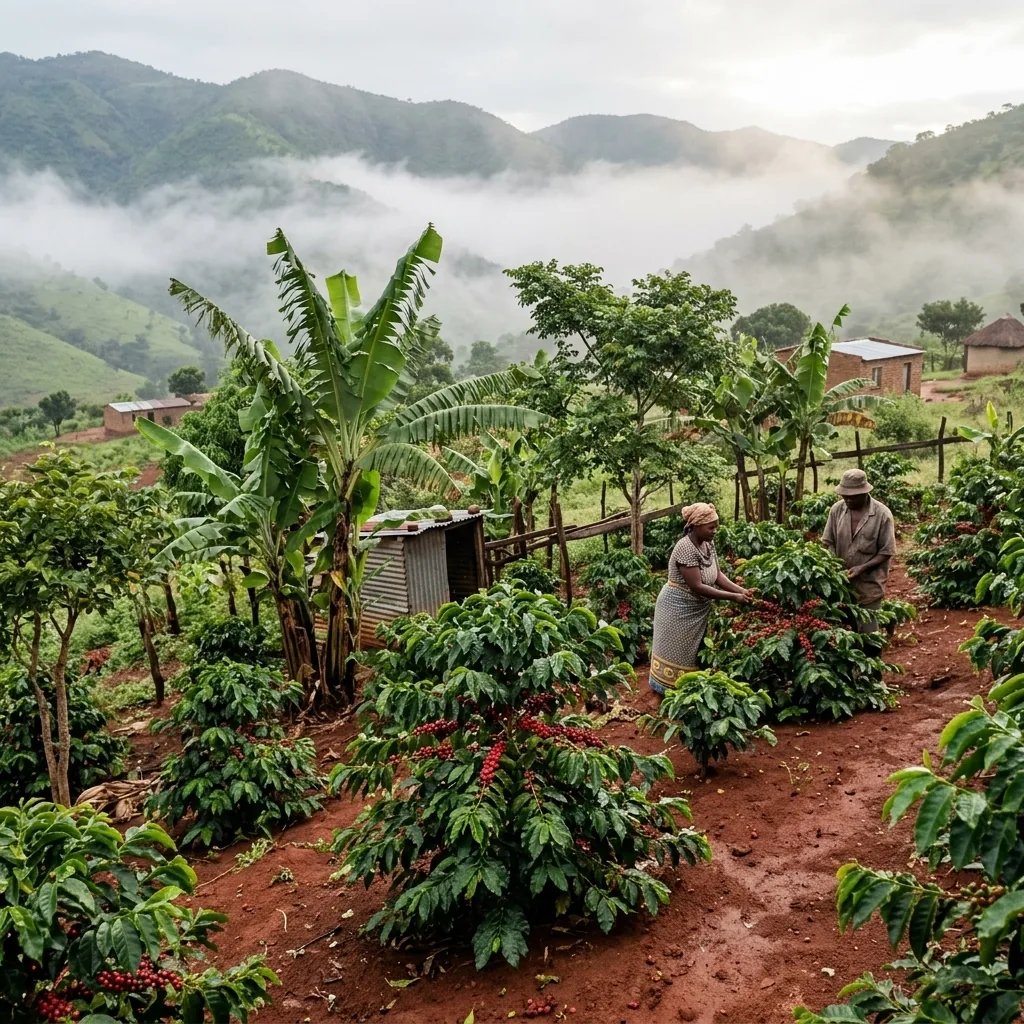
Zimbabwe used to grow around 15,000 tonnes of coffee a year. The Eastern Highlands, along the border with Mozambique, produced some of the finest arabica in Africa, and buyers around the world knew the name.
But the wealth only went to a few. Most of the value never reached the communities who worked the land. It was the same pattern seen across Africa: grow the beans, sell them raw and cheap, and let others roast them and keep the profit.
The painful years
The 2000s were painful for the country. Farms fell silent, buyers stayed away and coffee production collapsed to a fraction of what it had been. It has taken nearly three decades to recover.
The children impacted by those years are now the grown-ups. That is us.
The recovery
From 2018, Nespresso and TechnoServe ran a recovery programme together. Through Nespresso's Reviving Origins work, TechnoServe trained and supported smallholder farmers in eastern Zimbabwe, helping farms replant, improve quality and reach international buyers again.
That work showed that Zimbabwean coffee could come back. See the full timeline.
Stories by email
Liked this? Get the next story by email.
What happened, what is happening and the latest from Zimbabwe's coffee farms. One email when a new story is out, nothing else.
We only send stories. Unsubscribe with one click. Privacy